


The usual first move in restaurant branding is to open a logo tool or call a designer. It should come later. The decisions that shape a restaurant brand are small and unglamorous: who walks in on a Tuesday night, what you promise them, and what you charge. Once those are written down, the logo, menu and sign get easier to choose, and anyone you hire can work from a clear brief instead of guessing.
This guide is for a first-time restaurant, cafe or bar owner who is not a designer. The short version of how to brand a restaurant: decide first, design second, then put the brand where guests meet it. Below you get the order to work in, a one-page brief, a made-up worked example, and a split of what to do yourself and what to hire out.
A note on sources. We read five guides on 2026-11-15, from a print company, a restaurant-website vendor, a design service, a POS company and a restaurant publication. Several sell things. We attribute each figure and opinion to the page that states it, and we did not confirm any of them independently.
The order to do it in
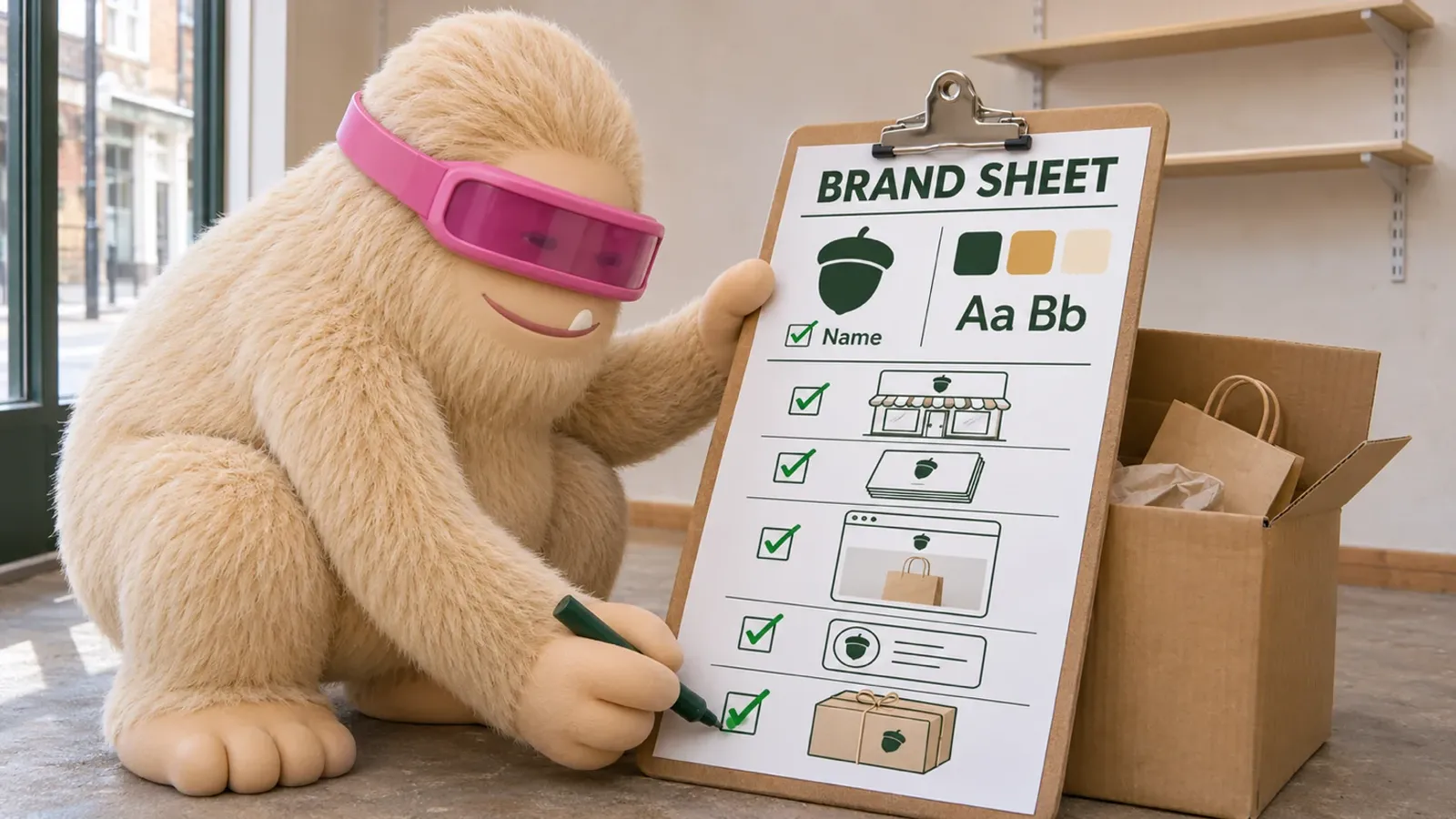
Branding is more than a logo. It is the set of choices that make your place feel like one particular place: name, positioning, logo and colors, menu and signage, your online listings, social media, and packaging and uniforms. For a new owner the order matters, because earlier steps feed later ones and the physical items are the hardest to redo.
- Write the one-page brief (next section). It is free, and it prevents most expensive mistakes. Square's guide makes the same call: define your mission, audience, what makes you stand out and your personality before choosing a logo or colors.
- Choose the name. It should fit the brief and be usable where it matters: domain, social handles, local business registration. Our guide to naming a business and checking availability covers each check in order, and cafe owners can start from our cafe and coffee shop name ideas.
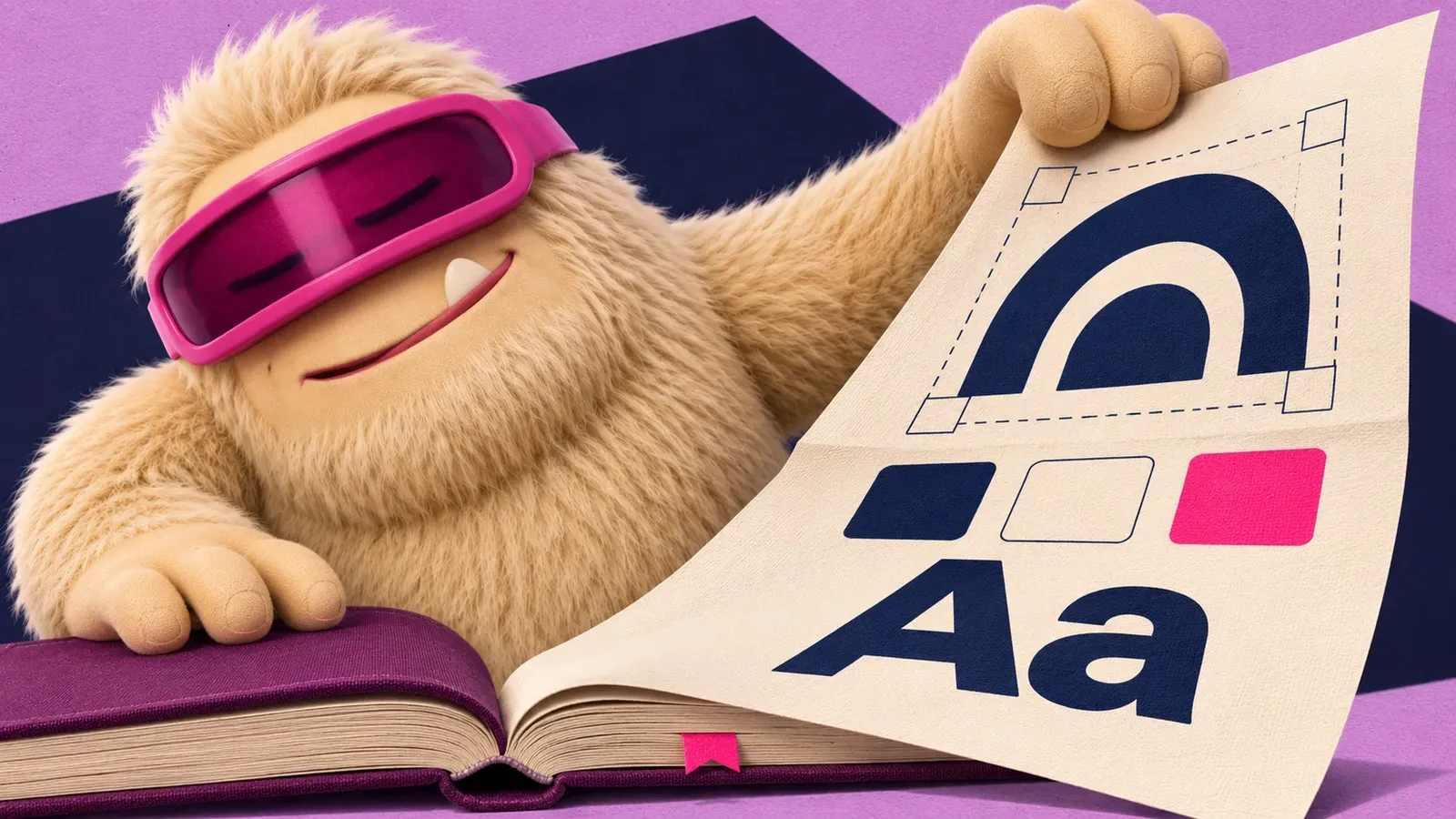
- Logo, colors and type. Start simple. It has to read small (a social avatar) and large (a sign).
- Menu and signage. Ask printers and sign makers about timelines early, since both are physical and costly to change.
- Google Business Profile and website. Claim your profile and put up a simple site with hours, menu and location. Square says a restaurant website should feel like an extension of the restaurant.
- Social accounts. Open only the ones you will post on.
- Packaging and uniforms. Last, because you can only brand what you know you are selling.
A note on names. This is not legal advice. Registering a business name, forming a company and filing a trademark are separate steps with different rules. Check your state's business registry or Secretary of State, run the USPTO's federal trademark search (it covers federal marks, not state ones), and talk to a lawyer if the name matters to you. An unregistered domain does not mean a name is clear to use. For ideas, our free business name generator gives you names with a live domain check. We make it, and it does not clear trademarks. Our free brand name checker opens the US, EU and UK trademark registers with your name already searched, as a first step.
The one-page brand brief
Take one sheet of paper and answer five questions in plain words. If an answer runs to a paragraph, you have not decided yet.
- Who eats here, and when? Name one or two real groups and a time of day. "Parents from the neighborhood on weeknights" beats "everyone who likes good food." The Restaurant HQ makes the related point that restaurants seeking approval from everyone rarely define themselves as successful brands.
- What is the one-line promise? Finish this sentence: "Come here when you want X, and you will get Y." If a regular could not repeat it, shorten it.
- Which three personality words fit? Pick adjectives that exclude something. "Warm, unfussy, a little playful" says more than "quality, authentic, welcoming," which any restaurant could claim.
- Where do you sit on price? Cheaper than the busy place downtown, in line with the neighborhood, or a deliberate splurge. Write it relative to places your guests already know, not as a dollar number.
- What will you never do? List three. No coupon-site discounts. No ten-page menu. No stock photos of food you do not serve. This list keeps the brand consistent when you are tired in month four.
Keep the brief next to every later decision. Choosing a font? Check it against your three words. Tempted by a trendy dish? Check it against your promise. The Restaurant HQ warns that chasing every trend can pull a brand away from its goal, and says inconsistent products "will kill the most novel restaurant brand ideas."
Example (made up): a neighborhood restaurant, from brief to choices
This restaurant is invented to show the process. Every detail, including the name, is made up. We have not checked whether the name is available, registered or trademark-clear, so do not use it.
Saltbox Supper is a 40-seat neighborhood restaurant serving dinner Tuesday to Sunday and a short weekend brunch.
Its brief:
- Who and when: Families and couples within a ten-minute walk, mostly weeknights at 6 to 8 pm, plus weekend brunch regulars.
- Promise: "A real sit-down dinner on a weeknight, without the fuss."
- Three words: warm, unfussy, a little playful.
- Price position: A step above takeout, a step below the date-night places downtown.
- Never: Coupon-site deals. A menu longer than one page. Stock photos of food we do not serve.
The choices that followed:
- Name: "Saltbox" suggests a small, sturdy neighborhood house, which fits warm and unfussy.
- Logo, colors, type: A wordmark with a small roof shape. Deep tomato red and cream, plus a dark neutral for text. A sturdy serif for the name and a plain sans for menus, each checked against the three words.
- Menu and signage: One page, with dish names written the way staff say them out loud. The name in logo type on the awning, high contrast so it reads from across the street.
- Google Business Profile and website: Correct category and hours, a menu link, photos of real dishes taken in the dining room, and a one-page site with a map and a phone or booking link.
- Social, packaging, uniforms: One social account for the nightly special, plus cream aprons and takeout bags stamped with the roof mark.
Notice what the brief ruled out: a long menu, stock photos, discount-driven promotions. A brand gets stronger by what it declines.
Opening week: where guests meet your brand
Run through this list before the doors open. Anything that says something different from your brief is worth fixing.
- Exterior sign and awning, readable at the distance people actually walk
- Printed and online menus, in your fonts and your voice
- Uniforms or aprons, and a one-line answer every server gives to "what is this place?"
- Google Business Profile and website: hours, menu, photos, address and phone, how to book or order
- Social profiles: name, bio, avatar and link match everywhere
- Takeout and delivery packaging, delivery-app listings, receipts
- Table items, wifi card and restroom signs
Your brand is not only visual. BentoBox counts interior design and even music as part of it. If your promise is "unfussy" and the door has a rope and a host stand, guests will notice the mismatch.
DIY, freelancer or agency: what to do yourself
This split is our judgment, not a sourced rule, and we keep it qualitative on purpose. Prices vary widely and we do not quote any here.
Do yourself: the brief (nobody else can decide who your guests are), name ideas, menu wording and voice, and day-to-day photos and posts. For a first-pass logo, BentoBox names Looka and Canva as quick mock-up tools and Adobe Illustrator for making your own logo. It also advises saving the master logo as a vector file and checking it in both color and black and white.
Consider a freelancer: a finished logo and color system you will print on aprons and packaging, menu layout, a simple website, and food photography, because bad photos undercut everything else. BentoBox describes a small studio or freelance designer as a fit for a fresh logo or a redesign that works with an existing identity. Signage is made by a sign maker either way, so give them your finished logo files.
Consider an agency: a complete identity overhaul, several locations, or a launch with a large budget and a long timeline. BentoBox says to hire an agency or studio if you have a larger budget and want to transform your identity. A single first location rarely needs one.
One survey, for context. Vistaprint's guide reports a survey run by 99designs by Vista, with data collected by the research firm Corus in June 2022 from 355 decision makers at small hospitality businesses in North America, the UK, Australia and New Zealand. It says 89% attribute branding as a key contributor to their overall success. A design marketplace ran it and the sample is small, so read it as opinion, not proof that branding causes sales.
Where we fit. We make Monstric, and it is one option for the visual and web part, not a replacement for the brief or a local sign maker. After you pick a name, Monstric generates a logo, colors and a website hero around it. At the time of writing you pick a mood, sign in, get one free website preview per account, then hit a paywall to continue. Free generations have a usage limit and downloading needs a paid plan, so check the FAQ for current terms and see examples made with it. It does not design menus, signage, interiors or photography, and it does not clear names or trademarks. If you want a character for a casual spot, we also offer a custom mascot service. More about us.
Hiring a restaurant branding agency: when, what to ask, what to keep
A restaurant branding agency makes sense in a few cases: you are opening more than one location, you are taking over a place and changing everything at once, or investors or a landlord expect a finished concept by a date. BentoBox ties the agency route to a larger budget and a complete identity change, and gives it a timeline of 3 to 12 months, against 1 to 3 months for a freelancer or small studio. If your opening date is close, that alone may decide it.
What to ask before you sign. These questions are adapted from two hiring guides we read on 2026-11-26, from Dribbble and DesignRush. Both sites help you hire designers, so both have an interest.
- Which hospitality projects have you done, and can we see one open and trading, not only its logo? DesignRush suggests asking to speak with a past client or to see a live brand.
- How will you learn about our guests before you design? Dribbble lists "no mention of research, discovery, or audience insight" as a red flag.
- Who works on our project day to day, and what is their experience?
- What is included: logo, colors and type only, or also menu layouts, signage files, packaging and the website? Dribbble says not all agencies offer strategy, identity and implementation, and that full-service agencies handle everything from research through execution.
- How many revision rounds are included, and what does another round cost?
- Which files do we own at the end? DesignRush says editable files should transfer to you and calls "We keep the original files; you get final exports only" a red flag.
What to keep in house. This part is our judgment. Keep the one-page brief, the menu wording and the everyday voice. An agency can sharpen them, but you know who walks in on a Tuesday. Keep day-to-day photos and posts too, because nobody from the agency is there during the dinner rush. Ask the agency for editable templates for the menu, the specials board and social posts, plus a short guide, so your staff can make new items without a new invoice. And keep a copy of every final file in a folder you control, so the sign maker and printer can get them from you directly.
Mistakes to avoid
- Copying a place you admire. BentoBox puts it plainly: there is no such thing as copy-and-paste branding.
- A style that fights the concept. ManyPixels says that for a sushi restaurant, a 1950s diner interior "just doesn't make sense."
- An overcomplicated logo, or a menu that tells a story instead of helping people choose. Both are on ManyPixels' list of mistakes.
- Generic takeout packaging. BentoBox says to think beyond a nondescript brown paper bag. A stamp or sticker with your mark is a cheap fix.
FAQ
Do I need a brand guidelines document?
Not a 40-page one. A single page with your brief, two or three colors with their codes, your fonts and one or two logo files covers a first location.
Should my name describe the food?
It can, but it does not have to. A descriptive name is easy to find and explain, and an abstract one is easier to make your own. Either way, check the domain, the social handles and the legal side. In our name generator we confirm YouTube, TikTok and Pinterest handles automatically. Instagram, Facebook and X we cannot, so check those by hand.
Who should see the brief?
Everyone making something for you: a designer, a sign maker, a menu printer, whoever writes your Google profile. Ask each to point out where their work might not match it.
Your next step
Write the one-page brief today, before you talk to any designer, printer or sign maker. Then show it to three people who match your "who eats here" answer and ask which personality word surprised them. If you still need a name, try the free business name generator linked in the note on names above. More guides are on the blog.
Start with the name
Get 24 name ideas for your restaurant, each checked for an available domain. Free, no signup.
Sources
Read by us on 2026-11-15. Claims are attributed to these pages, and we did not independently confirm their figures.
- Vistaprint: Restaurant branding, the complete guide, read 2026-11-15
- BentoBox: Restaurant branding, dated July 6, 2023, read 2026-11-15 and again 2026-11-26 (timelines by route)
- The Restaurant HQ: How to Brand a Restaurant, A Complete Guide, read 2026-11-15
- ManyPixels: Restaurant Branding 101, read 2026-11-15
- Square: How to Build a Brand for Your Restaurant (Australia site), read 2026-11-15
- Dribbble: How To Hire A Branding Agency, last updated 2026-05-12, read 2026-11-26 (Dribbble promotes its own hiring tools on the page)
- DesignRush: 10 Questions To Ask a Branding Agency When Building a Brand, Mariana Delgado, updated 2025-10-31, read 2026-11-26 (agency directory with sponsored placements)
- USPTO: Search our trademark database, read 2026-11-15 (lists federal trademark search and clearance-search resources)